
 My Affiliate
 Monetization
 My Points
Recovery Tips After Pilonidal Sinus Treatment: A Complete Guide

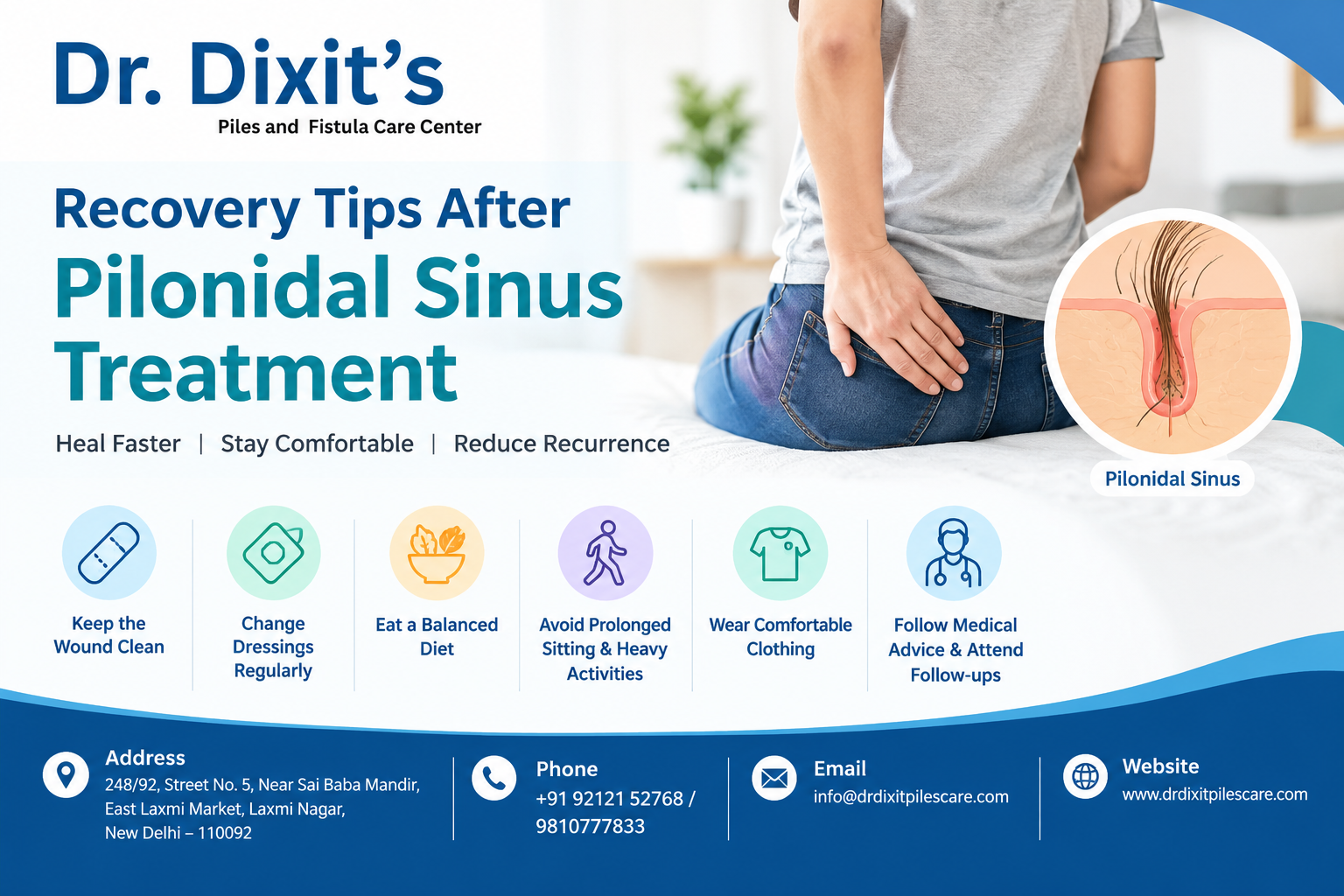
Recovering after pilonidal sinus treatment can be challenging, especially when everyday activities such as sitting, walking, or working become uncomfortable. However, proper wound care, a balanced diet, adequate rest, and following your doctor's instructions can support healing and help reduce the risk of complications. Whether you have undergone a minor procedure to drain an abscess or surgery to remove a pilonidal sinus, understanding the recovery process can help you feel more confident and prepared. This guide explains essential recovery tips after pilonidal sinus treatment, including wound care, pain management, dietary recommendations, activity restrictions, and ways to reduce the chances of recurrence.
What Is Pilonidal Sinus Treatment?
A pilonidal sinus is a small tunnel or cavity that develops in the skin, usually near the tailbone at the top of the buttock crease. It often develops when loose hair penetrates the skin and triggers inflammation or infection. Common symptoms include pain, swelling, redness, and discharge of pus. In some cases, an abscess may develop and require urgent treatment. Pilonidal Sinus Treatment depends on the severity of the condition and may involve draining an abscess, removing the sinus tract, allowing the wound to heal naturally, or closing the wound with stitches. Some patients may also be suitable for minimally invasive procedures.
The recovery process varies according to the treatment method used. Following abscess drainage, patients may need regular dressing changes and monitoring to ensure that the infection resolves. When the sinus is removed and the wound is left open, healing occurs gradually from the inside outward and may take several weeks. Wounds closed with stitches require careful monitoring to ensure that the incision heals properly. Your surgeon will explain the expected recovery time and provide instructions based on your procedure, wound condition, and overall health.
Essential Recovery Tips After Pilonidal Sinus Treatment
Keep the Surgical Wound Clean
Proper wound hygiene is one of the most important aspects of pilonidal sinus surgery recovery. The area around the tailbone can accumulate sweat, loose hair, and moisture, which may irritate the skin and affect wound care. Follow your surgeon's instructions for cleaning the affected area, and use clean water or a recommended cleansing solution when advised. Avoid scrubbing the wound or rubbing it with a rough towel. After cleaning, gently pat the surrounding skin dry with a clean towel. Do not apply powders, oils, creams, or antiseptic solutions unless your healthcare professional recommends them. Always wash your hands before and after handling the wound or dressing. Ask your doctor when you can shower or bathe, as the instructions may differ depending on whether the wound is open, stitched, or covered with a special dressing.
Follow the Recommended Dressing Routine
Dressing changes help protect the wound, absorb discharge, and maintain an appropriate healing environment. Depending on the procedure, your doctor may recommend daily dressing changes or a different schedule. Patients with open wounds may require regular cleaning and dressing changes until the wound heals sufficiently. In some cases, a healthcare professional may need to pack the wound according to the treatment plan. Use only the dressing materials recommended by your healthcare provider, and replace dressings when they become wet, dirty, or loose, following your care instructions. Avoid touching the wound unnecessarily or inserting cotton, tissue, or other materials into it. If you are unsure how to change your dressing, ask your doctor or nurse to demonstrate the process. Although some drainage may occur during healing, increasing discharge, foul-smelling pus, or worsening pain should be assessed by a healthcare professional.
Manage Pain and Discomfort Safely
Mild to moderate pain and discomfort are common after pilonidal sinus surgery, particularly during the first few days. You may experience discomfort when sitting, standing up, walking, or changing your dressing. Take prescribed pain medication according to your doctor's instructions, and do not exceed the recommended dose of any over-the-counter medicine. Rest in a comfortable position and consider lying on your side if this reduces pressure on the surgical area. Avoid applying heating pads, ice packs, or medicated ointments directly to the wound unless your healthcare professional has specifically recommended them. Your discomfort should generally become more manageable as recovery progresses. If pain becomes increasingly severe or is accompanied by swelling, redness, fever, or unusual discharge, contact your doctor promptly because these symptoms may indicate an infection or another complication.
Avoid Prolonged Sitting
Sitting for extended periods can put pressure on the healing area and increase discomfort. This can be particularly challenging for people who work at desks, attend classes, or spend long periods travelling. During recovery, try to avoid remaining in one position for too long, and stand up for gentle movement when your surgeon permits it. Resting on your side may help reduce direct pressure on the wound. Choose a comfortable sitting position and follow any specific restrictions provided by your surgeon, particularly after procedures involving wound closure or flap reconstruction. If your job requires prolonged sitting, discuss temporary adjustments with your healthcare provider. Gradually increasing the time you spend sitting is generally more appropriate than immediately returning to your previous routine, especially if sitting causes pain.
Eat a Balanced and Fibre-Rich Diet
A balanced diet provides the nutrients your body needs for normal tissue repair and recovery. Eating enough fibre can also help prevent constipation, which may cause additional discomfort while you are recovering. Include fruits such as apples, pears, oranges, and papaya, along with vegetables, whole grains, oats, lentils, beans, eggs, paneer, fish, chicken, or other suitable sources of protein. Nuts and seeds can provide additional nutrients as part of a balanced diet. Drink sufficient water throughout the day unless your doctor has advised you to restrict fluids. If your diet is currently low in fibre, increase it gradually to reduce the likelihood of bloating. If pain medication causes constipation, ask your healthcare provider whether a stool softener or another treatment is appropriate. No single food can guarantee faster healing, but consistent nutrition and adequate hydration can support your body's normal recovery processes.
Avoid Heavy Exercise and Strenuous Activities
Your body needs time to recover after pilonidal sinus treatment, so returning to strenuous activities too quickly may increase discomfort or put stress on the healing wound. Avoid heavy lifting, running, vigorous workouts, and cycling until your surgeon confirms that these activities are appropriate. Gentle walking may be possible early in recovery, depending on your procedure and physical condition. Begin with short walks and gradually increase your activity as your comfort improves. Avoid pushing through pain or continuing an activity that causes pulling around the surgical area. Patients who have undergone extensive surgery or flap reconstruction may require additional activity restrictions. Following your surgeon's instructions can help you return to your usual routine more safely.
Wear Comfortable and Breathable Clothing
Tight clothing can create friction, trap moisture, and irritate the skin around the surgical wound. Wearing loose-fitting, breathable clothing may make recovery more comfortable. Choose garments that do not rub against the tailbone or place pressure on the affected area. Breathable cotton underwear and loose trousers or shorts can help reduce friction during everyday activities. Change your underwear regularly, particularly after sweating, and follow your healthcare provider's instructions for keeping the dressing secure. If clothing repeatedly causes irritation or makes the dressing move out of place, ask your nurse or doctor how to protect the wound more effectively.
Follow Medical Advice About Hair Removal
Loose hair around the buttock crease may contribute to pilonidal sinus disease, so hair management can be an important part of long-term prevention. However, shaving directly over a fresh surgical wound or applying hair-removal creams to healing skin can cause irritation or damage. Wait until your wound has healed sufficiently and ask your healthcare provider which hair-removal method is appropriate for you. Depending on your condition, your doctor may recommend carefully managed trimming, another suitable hair-removal method, or laser hair reduction. Maintaining hygiene and preventing loose hair from accumulating around the area may also be helpful. Hair removal does not guarantee that pilonidal sinus disease will not return, so it should be considered alongside other preventive measures recommended by your healthcare provider.
Return to Work Gradually
The time needed to return to work after pilonidal sinus surgery depends on the procedure, the size of the wound, your pain level, and the physical demands of your job. Someone who works from home may be able to resume selected tasks earlier than someone whose occupation involves prolonged sitting, driving, heavy lifting, or physical labour. Before returning to work, make sure your pain is manageable and that you can follow your wound-care routine throughout the day. If your job involves sitting for extended periods, arrange regular breaks when possible. Avoid strenuous duties until your doctor confirms that they are safe. Some patients return to work within one or two weeks, while others need several weeks or longer. Open wounds and more extensive procedures may require additional recovery time, so your return-to-work plan should be based on your individual progress.
Attend Follow-Up Appointments
Regular follow-up appointments allow your healthcare provider to assess wound healing and identify potential complications early. During these visits, your doctor may check whether the wound is healing properly, whether dressings need to be changed, whether stitches need removal, and whether there are signs of infection. Your healthcare provider can also advise you when it is appropriate to resume exercise, driving, prolonged sitting, or other daily activities. Attend your scheduled appointments even if the wound appears to be improving. If you develop a new lump, persistent drainage, increasing pain, or another concerning symptom between visits, contact your doctor rather than waiting for your next appointment.
How Long Does Recovery Take After Pilonidal Sinus Treatment?
Recovery time after Pilonidal Sinus Treatment varies depending on the procedure and the condition of the wound. A wound following abscess drainage may need regular dressing changes and monitoring, while an open surgical wound can take approximately six to eight weeks or longer to heal. Wounds closed with stitches may heal differently, depending on the incision and whether complications occur. Minimally invasive procedures may allow some patients to return to normal activities earlier, while more extensive operations, including flap reconstruction, can require additional recovery time and restrictions. These are general estimates rather than guaranteed timelines. Your overall health, wound size, infection status, and ability to follow aftercare instructions can influence recovery. Gradually improving discomfort and steady wound healing are encouraging signs, but your surgeon should determine when you can safely resume your normal routine.
Warning Signs to Watch for During Recovery
Although some discomfort and drainage may occur during normal healing, certain symptoms require medical attention. Contact your healthcare provider if you experience increasing redness, warmth, swelling, worsening pain, thick or foul-smelling discharge, a new lump near the tailbone, or a wound that opens unexpectedly. Persistent bleeding or a wound that does not appear to be progressing towards healing should also be assessed. Seek urgent medical attention if you develop a high fever, feel seriously unwell, or experience heavy bleeding that does not stop with appropriate pressure. Do not take leftover antibiotics or apply unprescribed medicines to the wound. A healthcare professional should assess your symptoms and recommend the appropriate treatment.
How Can You Reduce the Risk of Pilonidal Sinus Recurrence?
Pilonidal sinus disease can return even after successful treatment, but certain preventive habits may help reduce the risk. Maintain appropriate personal hygiene, keep the area clean and dry, and discuss suitable hair-management methods with your healthcare provider after the wound has healed. If you sit for long periods, take regular movement breaks when possible. Maintain a balanced diet, stay physically active as your recovery allows, and attend follow-up appointments as recommended. Pay attention to symptoms such as renewed swelling, pain, or discharge, as these may indicate recurrence or another problem requiring assessment. Early medical evaluation can help your doctor determine whether additional treatment is necessary. Although these measures may help, no preventive approach can guarantee that the condition will never return.
Frequently Asked Questions
How many days of rest are needed after pilonidal sinus surgery?
The amount of rest required depends on the procedure and your recovery. Some patients can resume selected daily activities relatively quickly after a minor procedure, while others need several weeks to recover from more extensive surgery. Follow your surgeon's recommendations before returning to work, exercise, or other demanding activities.
Can I sit after pilonidal sinus treatment?
Sitting may be possible during recovery, but prolonged sitting can increase pressure and discomfort around the wound. Take regular breaks and choose comfortable positions that minimise direct pressure. Follow any specific restrictions provided by your surgeon, especially after flap reconstruction or other extensive procedures.
What should I eat after pilonidal sinus surgery?
Eat a balanced diet containing fruits, vegetables, whole grains, protein-rich foods, and sufficient fluids. These foods provide nutrients that support normal healing and can help prevent constipation. Ask your healthcare provider about supplements or additional dietary changes if you have specific nutritional needs.
How should I clean the wound after pilonidal sinus treatment?
Follow the cleaning and dressing instructions provided by your surgical team. Depending on the procedure, you may be advised to use clean water, a recommended cleansing solution, or professional dressing changes. Avoid scrubbing the wound or applying unprescribed products.
When can I exercise after pilonidal sinus surgery?
Gentle walking may be possible early in recovery, depending on your procedure and condition. Avoid strenuous exercise, heavy lifting, and cycling until your healthcare provider confirms that these activities are safe. The appropriate timeline depends on wound healing and the type of surgery performed.
Can a pilonidal sinus come back after treatment?
Yes, pilonidal sinus disease can recur after treatment. Following wound-care instructions, maintaining hygiene, managing hair growth when appropriate, and seeking medical advice if symptoms return may help reduce the risk. Consult your doctor if you notice renewed swelling, pain, or discharge.
Conclusion
Recovery after pilonidal sinus treatment requires patience, consistent wound care, and attention to your body's needs. Keeping the wound clean, following dressing instructions, managing discomfort safely, eating a balanced diet, avoiding strenuous activities, and attending follow-up appointments can support the healing process. It is equally important to recognise warning signs and seek medical advice if symptoms worsen or the wound does not heal as expected. Avoid rushing back into your regular routine, as recovery time varies from person to person.
If you are experiencing persistent pain, swelling, or discharge, or need professional guidance about pilonidal sinus care, consult a qualified healthcare professional to discuss your symptoms and available treatment options.
Contact Dr. Dixit's Piles and Fistula Care Centre for information about pilonidal sinus evaluation and treatment options in Delhi.
Address: 248/92, Street No. 5, Near Sai Baba Mandir, East Laxmi Market, Laxmi Nagar, New Delhi – 110092
Phone: +91 92121 52768 / 9810777833
Email: info@drdixitpilescare.com
Website: www.drdixitpilescare.com


 Arabic
 French
 Spanish
 Portuguese
 Deutsch
 Turkish
 Dutch
 Italiano
 Russian
 Romaian
 Portuguese (Brazil)
 Greek
