
 My Affiliate
 Нет уведомлений
 Мои Баллы
Spiritual Trekking Adventure in Nepal: Discover Nature, Culture, and Inner Peace
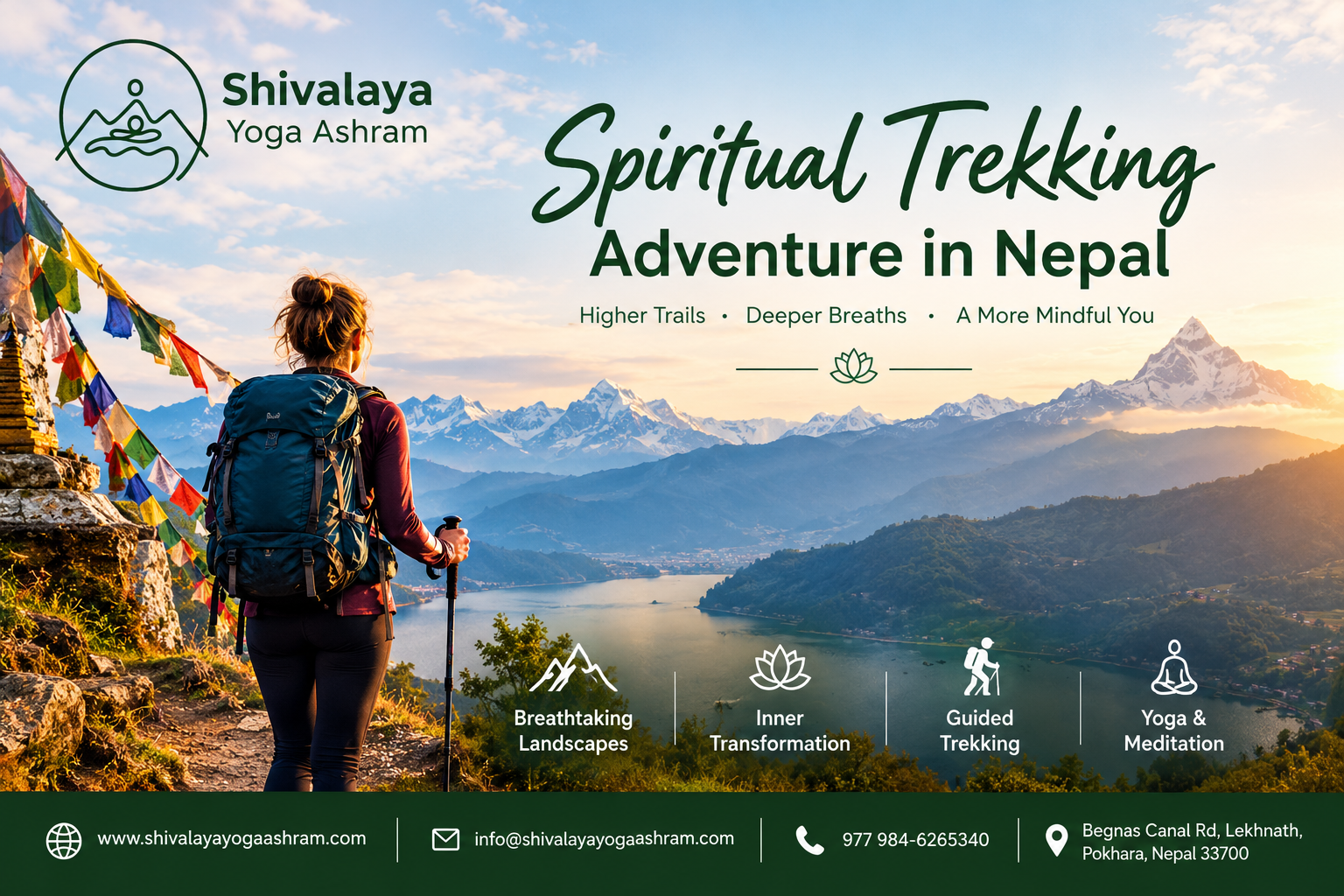
Imagine walking along a peaceful Himalayan trail as the morning sun illuminates distant mountain peaks, prayer flags flutter in the cool breeze, and the sounds of nature replace the noise of everyday life. With every step, you move farther away from your daily responsibilities and closer to a deeper connection with yourself.
This is the essence of a Spiritual Trekking Adventure in Nepal.
Famous for its magnificent mountains, ancient temples, Buddhist monasteries, and rich spiritual traditions, Nepal offers a unique setting for travellers seeking more than a conventional holiday. Its trekking routes provide opportunities to explore beautiful landscapes while discovering local cultures, practising mindfulness, and reflecting on life's deeper questions.
Unlike a journey focused entirely on reaching a destination, spiritual trekking encourages you to appreciate the experience itself. Walking becomes a form of meditation, mountain views inspire reflection, and quiet moments in nature offer space to reconnect with your thoughts.
Whether you are an experienced trekker, a yoga enthusiast, or a beginner seeking a meaningful travel experience, Nepal has something special to offer.
In this guide, we explore what makes spiritual trekking in Nepal unique, the best destinations to consider, the benefits of combining trekking with yoga and meditation, and how you can prepare for your journey.
What Is a Spiritual Trekking Adventure?
A spiritual trekking adventure combines outdoor exploration with practices that encourage mindfulness, self-reflection, and a deeper appreciation of life.
Traditional trekking generally focuses on hiking through mountains, forests, villages, and valleys. Spiritual trekking incorporates these physical experiences with opportunities to slow down, observe your surroundings, and become more aware of the present moment.
The experience may include:
-
Mindful walking through peaceful natural landscapes.
-
Morning yoga and gentle stretching before a trek.
-
Meditation in quiet outdoor settings.
-
Visits to monasteries, temples, and culturally significant places.
-
Conversations with local communities about their traditions.
-
Journaling, breathing exercises, and personal reflection.
-
Practising gratitude while experiencing the natural world.
Spiritual trekking does not require a particular religious belief. People from different cultural and spiritual backgrounds can participate according to their own interests and comfort levels.
The purpose is not to escape reality but to experience the world with greater attention, curiosity, and appreciation.
Why Choose Nepal for Spiritual Trekking?
Nepal is internationally recognised for its Himalayan landscapes and trekking opportunities. However, its appeal extends beyond its mountains.
The country's diverse cultures, long-standing spiritual traditions, welcoming communities, and peaceful natural environments make it an attractive destination for travellers interested in combining adventure with personal exploration.
1. Experience the Peace of the Himalayas
The Himalayas create a remarkable environment for slowing down and appreciating nature.
As you walk through mountain villages, forest trails, and open valleys, you may encounter breathtaking mountain views, flowing rivers, birdsong, and changing landscapes.
These surroundings can encourage you to step away from constant digital distractions and focus on the present moment.
Even a short walk through a quiet mountain setting can become an opportunity to observe your breathing, appreciate the scenery, and reconnect with your senses.
2. Explore Nepal's Spiritual Heritage
Nepal has deep connections with Hinduism and Buddhism, two traditions that have shaped its cultural and spiritual landscape for centuries.
Places such as Lumbini, traditionally recognised as the birthplace of Siddhartha Gautama, the Buddha, and the monasteries surrounding the Kathmandu Valley offer opportunities to learn about these traditions.
Along selected trekking routes, visitors may encounter prayer flags, mani walls, small shrines, stupas, and monasteries.
Approaching these places respectfully allows travellers to learn about local beliefs and customs while appreciating the cultural significance of the landscapes they explore.
3. Combine Adventure with Mindfulness
Trekking requires patience, physical effort, and the ability to adapt to changing conditions. These qualities also support mindfulness.
During a spiritual trek, you can practise paying attention to each step, noticing your breathing, and observing your thoughts without becoming distracted by them.
For example, instead of rushing to complete a trail, you might pause at a scenic viewpoint, sit quietly for several minutes, or spend time appreciating the sounds of a nearby stream.
These simple practices can make the journey feel more meaningful.
4. Discover Local Culture and Traditions
Nepal's mountain communities have diverse languages, customs, food traditions, and ways of life.
Staying in locally operated guesthouses, eating traditional meals, and learning about village life can provide valuable cultural experiences.
A spiritual trekking adventure is an opportunity to approach these interactions with humility and curiosity rather than treating local communities simply as attractions.
Choose responsible trekking operators, respect photography restrictions, and support local businesses whenever possible.
Best Destinations for a Spiritual Trekking Adventure in Nepal
Nepal offers trekking experiences for different fitness levels, schedules, and interests. The best destination depends on your experience, available time, altitude tolerance, and preferred balance between adventure and reflection.
1. Pokhara and the Begnas Lake Region
Pokhara is an excellent starting point for travellers who want to combine mountain scenery, relaxation, yoga, and outdoor exploration.
The wider Pokhara region features lakes, forested hills, traditional settlements, and viewpoints overlooking the Annapurna range when weather conditions permit.
The Begnas Lake region, in particular, offers a quieter atmosphere than some of Pokhara's busier tourist areas.
Visitors can explore local trails, enjoy lakeside walks, observe rural life, and spend time in peaceful natural surroundings.
For travellers interested in combining yoga and trekking, the region can provide a balanced experience that includes physical activity and time for relaxation.
Activities to consider:
-
Walking along scenic trails near Begnas Lake.
-
Exploring nearby villages with a knowledgeable local guide.
-
Practising gentle yoga in a suitable outdoor setting.
-
Enjoying quiet moments for meditation or journaling.
-
Experiencing local food and cultural traditions.
Travellers staying at Shivalaya Yoga Ashram can explore opportunities to combine their interest in yoga and meditation with the natural beauty of the Pokhara region.
2. The Annapurna Region
The Annapurna region is one of Nepal's best-known trekking destinations. It offers diverse scenery, including mountain valleys, terraced farmland, forests, and traditional villages.
Depending on the route, trekkers may experience views of major Himalayan peaks and encounter communities with distinct cultural traditions.
Shorter routes around the lower elevations can suit travellers seeking a less demanding experience, while longer treks require greater preparation and endurance.
For a spiritual trekking experience, focus on the journey rather than maintaining a demanding daily schedule.
Consider allowing time for quiet reflection, conversations with local guides, and appreciation of the landscapes along the way.
Important: Some Annapurna routes reach substantial altitudes. Choose an itinerary appropriate to your fitness and experience, allow time for acclimatisation, and follow local safety guidance.
3. The Langtang Valley
Located north of Kathmandu, the Langtang region offers dramatic mountain scenery, forests, alpine landscapes, and opportunities to learn about local Himalayan culture.
Trekking in this area can be physically demanding, particularly as the route gains elevation.
The journey may appeal to travellers looking for a deeper connection with nature and a more immersive mountain experience.
A mindful walking practice can complement the physical journey, but it should never distract from trail safety, weather conditions, or signs of altitude illness.
Travellers should arrange suitable permits, use reliable route information, and consider a knowledgeable guide.
4. The Kathmandu Valley's Sacred Sites
Not every spiritual journey needs to involve a long or high-altitude trek.
The Kathmandu Valley offers a combination of cultural walks, heritage sites, temples, monasteries, and traditional neighbourhoods.
Visitors can explore places such as Boudhanath Stupa and Swayambhunath, while learning about Nepal's religious and cultural diversity.
These experiences can be combined with gentle walks, meditation, or yoga sessions.
For beginners or travellers with limited time, exploring sacred sites and nearby walking routes can provide a meaningful introduction to Nepal's spiritual heritage without the demands of a remote mountain trek.
How Yoga and Meditation Enhance Spiritual Trekking
Combining yoga and meditation with trekking can create a more balanced travel experience.
Trekking involves repetitive movement, changing terrain, and sustained physical effort. Yoga can help prepare the body for movement, while meditation encourages awareness and reflection.
Yoga Before and After Trekking
A gentle yoga routine before walking may help prepare the body for activity.
Depending on your abilities and any existing injuries, a session might include:
-
Gentle spinal movements.
-
Comfortable hip and ankle mobility exercises.
-
Mild standing stretches.
-
Balance exercises appropriate to your fitness level.
-
Relaxed breathing without forcing the breath.
After trekking, gentle stretching and relaxation may help you unwind.
Avoid demanding poses when tired, dehydrated, or unsteady. Yoga should complement appropriate physical preparation rather than replace strength training, cardiovascular conditioning, or medical advice when needed.
Meditation During the Journey
Meditation does not always require sitting cross-legged in a quiet room.
You can practise mindfulness while walking on a safe, level section of trail.
Try this simple exercise:
-
Walk at a comfortable pace.
-
Notice the sensation of your feet making contact with the ground.
-
Observe your breathing without trying to change it.
-
Listen to the sounds around you.
-
When your attention wanders, gently bring it back to the experience of walking.
Always prioritise your footing and surroundings. Practise seated meditation away from exposed edges, steep slopes, and busy paths.
Sound, Silence, and Reflection
Natural sounds, such as flowing water, wind through trees, and birdsong, can become part of a reflective travel experience.
Some travellers also enjoy guided meditation, gentle sound-based relaxation, or journaling during their journey.
These practices are personal choices rather than essential elements of spiritual trekking. You can adapt the experience to your preferences, cultural background, and comfort level.
Physical and Emotional Benefits of Spiritual Trekking
A well-planned trekking experience can support physical activity, provide a break from routine, and create opportunities for reflection.
Potential benefits include the following.
Increased Physical Activity
Trekking involves walking and navigating varied terrain, which can contribute to cardiovascular activity, balance, and muscular endurance.
The level of exertion depends on the route, duration, elevation gain, and your individual fitness.
Beginners should start with manageable distances and build their endurance gradually.
Opportunities to Manage Everyday Stress
Spending time outdoors and taking a break from demanding routines may help some people feel calmer and more refreshed.
Mindfulness practices can also encourage awareness of thoughts and emotions.
However, spiritual trekking is not a substitute for professional mental healthcare, and individual experiences vary.
Greater Appreciation of Nature
Walking through forests, villages, and mountain landscapes encourages travellers to notice details that can easily be overlooked in everyday life.
Changing light, mountain views, local architecture, and the rhythm of village life can make the journey memorable.
Personal Reflection and Confidence
Completing a challenging but manageable trek may help travellers recognise their resilience and develop confidence.
Time away from normal routines can also create opportunities to reflect on personal priorities, relationships, and future goals.
These outcomes are not guaranteed, but many travellers value the combination of movement, nature, and reflection.
How to Prepare for a Spiritual Trekking Adventure in Nepal
Good preparation is essential for a safe and enjoyable trip.
1. Choose the Right Trek
Consider your available time, fitness, previous trekking experience, and preferred travel style.
A gentle walking route near Pokhara may be more appropriate for a beginner than a demanding high-altitude itinerary.
Research the expected daily walking duration, elevation changes, accommodation, trail conditions, and weather before choosing your route.
2. Build Your Fitness Gradually
Begin preparing several weeks before your trip, especially if you are not accustomed to regular walking.
Your preparation may include:
-
Regular walks that gradually increase in duration.
-
Stair climbing or hill walking when suitable.
-
Basic strength and balance exercises.
-
Gentle mobility work.
-
Practice walks using the footwear and daypack you intend to take.
Adapt your training to your current abilities and seek professional advice if you have relevant health concerns.
3. Pack Essential Equipment
Your packing list will depend on the route, season, duration, and accommodation.
Common essentials include:
-
Comfortable, broken-in trekking footwear.
-
Weather-appropriate layers.
-
A waterproof jacket.
-
Sun protection, including sunglasses and sunscreen.
-
A reusable water bottle and appropriate water-treatment supplies.
-
Personal medications and a basic first-aid kit.
-
A headlamp and spare batteries.
-
Snacks suited to the planned journey.
-
Identification, permits, and emergency contact information.
-
A small notebook or journal if you enjoy reflection.
For colder or higher-altitude routes, additional insulation and specialist equipment may be necessary.
4. Respect Altitude and Acclimatisation
Altitude sickness can affect people regardless of age or fitness.
If your trek involves significant elevation, choose an itinerary with appropriate acclimatisation days and avoid ascending too quickly.
Headache, nausea, dizziness, unusual fatigue, or loss of appetite may indicate altitude illness. Symptoms that worsen require prompt attention. Confusion, difficulty walking, or breathlessness at rest are emergency warning signs.
Do not continue ascending when altitude sickness is suspected. Descend when necessary and seek medical assistance.
5. Respect Local Communities and the Environment
Responsible trekking is an important part of a meaningful travel experience.
Follow local customs, ask permission before photographing people, dress appropriately at religious sites, and follow instructions about sacred spaces.
Carry waste out with you, reduce single-use plastics, use established trails, and choose responsible operators that treat guides and porters fairly.
A spiritual journey becomes more meaningful when it respects the people and environments that make it possible.
Sample Three-Day Spiritual Trekking Experience in Pokhara
If you are looking for a short introduction to spiritual trekking, a flexible three-day itinerary around Pokhara and the Begnas Lake region may be a suitable starting point.
This is a suggested framework rather than a confirmed tour package. Activities and walking routes should be selected according to local conditions, weather, and your fitness.
Day 1: Arrival, Relaxation, and Mindfulness
Arrive in Pokhara and settle into your accommodation.
Spend time exploring the surrounding area with a gentle walk, followed by a relaxed yoga session if available.
In the evening, take a few minutes to reflect on your intentions for the journey.
Day 2: Nature Walk and Cultural Exploration
Begin with gentle mobility exercises before breakfast.
Explore a suitable local trail near Begnas Lake or another nearby destination, ideally with a knowledgeable local guide.
Pause for photographs, observe the surrounding landscape, and learn about the area's communities and traditions.
After returning, enjoy time to rest, journal, or participate in a meditation session.
Day 3: Reflection and Departure
Start the day with gentle yoga, breathing awareness, or a quiet walk.
Reflect on what you enjoyed and what you learned during the trip.
After breakfast, continue with your travel plans or extend your stay to explore additional trekking routes.
Travellers planning longer or higher-altitude treks should allow extra time for preparation and acclimatisation rather than compressing a demanding route into this short itinerary.
Why Consider Shivalaya Yoga Ashram for Your Nepal Journey?
Travellers interested in combining yoga, mindfulness, and Himalayan exploration may wish to explore the opportunities available through Shivalaya Yoga Ashram.
Located in the Pokhara region near Begnas Lake, the ashram offers a setting for people interested in yoga-related learning and retreat experiences.
Depending on your travel plans and the programmes available, you can explore ways to combine your interest in spiritual practice with time in Nepal's natural surroundings.
Before booking, confirm which activities are currently offered, whether guided trekking is included, what accommodation arrangements are available, and whether additional transportation or trekking fees apply.
Conclusion: Begin Your Spiritual Trekking Adventure in Nepal
A Spiritual Trekking Adventure in Nepal is more than a journey through beautiful mountain landscapes; it is an opportunity to reconnect with nature, discover Nepal's rich spiritual heritage, and find moments of peace away from everyday distractions. From the serene surroundings of Begnas Lake to the breathtaking trails of the Annapurna region, Nepal offers memorable experiences for adventure seekers, yoga practitioners, and spiritual travellers alike.
Combining trekking with yoga, meditation, and mindful walking can make your journey more meaningful while allowing you to appreciate the beauty of the Himalayas at your own pace. With proper preparation, respect for local traditions, and a responsible approach to the environment, you can create an enriching travel experience.
Ready to begin your Himalayan spiritual journey? Explore the opportunities at Shivalaya Yoga Ashram and discover how yoga, mindfulness, and Nepal's natural beauty can complement your next adventure. Take the first step towards a journey filled with exploration, reflection, and inner peace.
Frequently Asked Questions About Spiritual Trekking in Nepal
1. What Is a Spiritual Trekking Adventure?
A spiritual trekking adventure combines walking in natural landscapes with opportunities for mindfulness, self-reflection, and cultural exploration. Depending on the itinerary, it may include yoga, meditation, visits to sacred sites, and interactions with local communities.
2. Is Nepal a Good Destination for Spiritual Trekking?
Yes. Nepal offers Himalayan landscapes, diverse cultural traditions, temples, monasteries, and trekking routes for different experience levels. Travellers can choose anything from gentle nature walks near Pokhara to longer mountain treks.
3. Can Beginners Participate in Spiritual Trekking in Nepal?
Yes. Beginners can start with short, relatively gentle routes around Pokhara or other accessible areas. Choose a route that matches your fitness, check the terrain and weather, and increase the difficulty gradually.
4. Can I Combine Yoga and Meditation with Trekking?
Yes. Gentle yoga before or after walking and short mindfulness sessions can complement a trekking experience. Choose practices that suit your abilities and avoid strenuous movements when tired or physically uncomfortable.
5. What Is the Best Time for Spiritual Trekking in Nepal?
Spring, generally March to May, and autumn, generally September to November, are popular trekking periods in many parts of Nepal. However, conditions vary by region, elevation, and year. Check current weather, trail conditions, and local advice before travelling.
6. How Do I Prepare for a Spiritual Trekking Adventure?
Build your walking endurance, select suitable footwear, pack appropriate clothing, research your route, and arrange necessary permits and guidance. For high-altitude treks, plan acclimatisation carefully and learn to recognise symptoms of altitude sickness.


 English
 Arabic
 French
 Spanish
 Portuguese
 Deutsch
 Turkish
 Dutch
 Italiano
 Romaian
 Portuguese (Brazil)
 Greek
