
 My Affiliate
 Monetization
 My Points
Doctor of Veterinary Medicine in Multan: A Complete Guide for Students

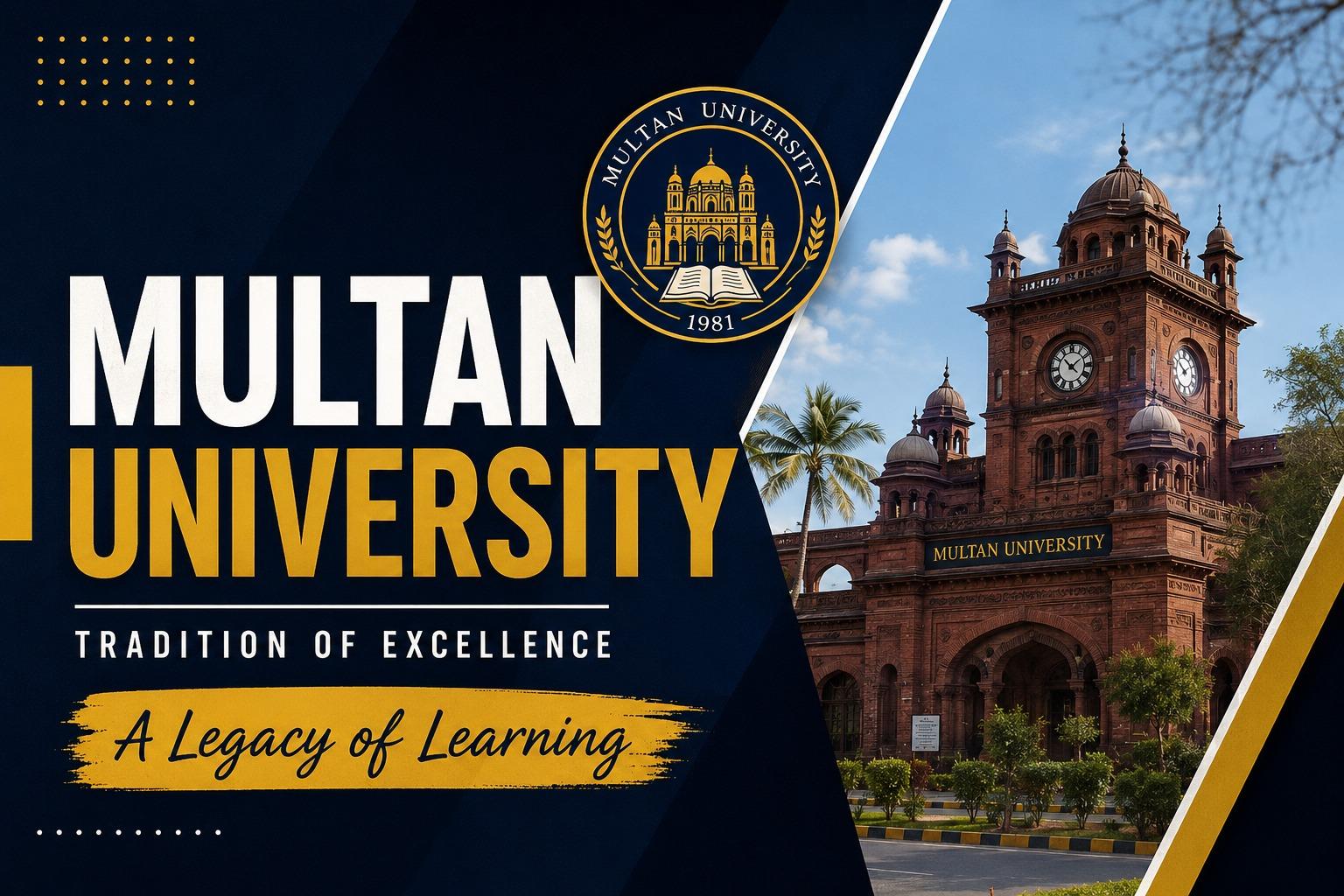
Choosing the right degree is an important decision for students who want to build a successful career in healthcare, animal sciences, and veterinary medicine. The Doctor of Veterinary Medicine in Multan is an excellent option for students interested in animal health, disease prevention, livestock management, and animal welfare. Veterinary medicine plays a significant role in Pakistan because livestock and poultry contribute considerably to the country's agricultural economy.
Multan is an important educational and agricultural center in South Punjab. Students interested in veterinary education can explore available programs and institutions to find a suitable option for their academic goals. By choosing the right university, students can develop the scientific knowledge and practical skills required for a professional career in veterinary medicine.
What Is Doctor of Veterinary Medicine (DVM)?
Doctor of Veterinary Medicine, commonly known as DVM, is a professional degree focused on the health, treatment, and care of animals. The program prepares students to understand animal anatomy, physiology, nutrition, diseases, diagnosis, and treatment.
During their studies, students learn how to examine animals, identify health problems, provide appropriate treatment, and prevent the spread of infectious diseases. The degree also introduces students to livestock production, poultry health, veterinary surgery, and animal reproduction.
DVM graduates can pursue careers in veterinary hospitals, livestock departments, poultry farms, research laboratories, animal welfare organizations, and private veterinary practices, subject to applicable registration and employment requirements.
Why Choose Doctor of Veterinary Medicine in Multan?
Multan offers an educational environment for students interested in agriculture, livestock, and animal sciences. Its surrounding areas have strong connections with farming and livestock production, making veterinary knowledge relevant to the region.
There are several reasons students may consider studying veterinary medicine in Multan.
1. Career Opportunities: Veterinary professionals can work in public and private organizations, animal clinics, livestock farms, and poultry businesses.
2. Practical Learning: Veterinary education combines scientific study with practical training. Students need opportunities to develop animal examination, diagnosis, treatment, and disease-prevention skills.
3. Agricultural Importance: Livestock farming is an important part of Pakistan's rural economy. Veterinary professionals help farmers maintain animal health and improve livestock productivity.
4. Animal Welfare: Veterinary medicine allows students to contribute to the humane treatment of animals, disease prevention, and responsible animal care.
5. Professional Development: Graduates may pursue further education, specialized training, research, or advanced study in relevant veterinary fields.
Eligibility Criteria for DVM Admission
Students interested in the Doctor of Veterinary Medicine program should review the admission requirements of their chosen institution. Eligibility criteria can vary depending on university policies and applicable regulatory requirements.
Generally, applicants need to meet the following conditions:
-
Complete the required intermediate education, usually with a pre-medical or relevant science background.
-
Meet the minimum marks requirement specified by the university.
-
Provide academic transcripts and other required documents.
-
Complete any applicable admission test or merit-based selection process.
-
Meet the relevant requirements for enrollment in a recognized veterinary program.
Students should check the latest admission advertisement before applying because eligibility rules, merit criteria, and application deadlines may change.
Duration of the DVM Program
The Doctor of Veterinary Medicine degree generally takes five years to complete in Pakistan, although students should confirm the approved duration and curriculum of their chosen institution.
The program includes classroom learning, laboratory work, practical demonstrations, and clinical training. Students gradually develop an understanding of animal health, veterinary diagnosis, treatment methods, and disease control.
Practical exposure is particularly important because veterinary professionals work with animals of different sizes, species, and health conditions. Students need to learn how to handle animals safely and provide appropriate care under professional supervision.
Major Subjects Studied in DVM
The DVM curriculum covers several scientific and clinical subjects that prepare students for professional veterinary practice.
1. Veterinary Anatomy
This subject introduces students to the structure of animal bodies, including bones, muscles, organs, and body systems.
2. Animal Physiology
Students learn how different body systems function and how normal physiological processes support animal health.
3. Veterinary Microbiology
This subject focuses on microorganisms, including bacteria, viruses, and other infectious agents that may cause animal diseases.
4. Animal Nutrition
Students study animal feed, nutritional requirements, feeding practices, and the role of nutrition in growth, reproduction, and productivity.
5. Veterinary Pathology
Veterinary pathology helps students understand diseases, tissue changes, and the causes of health problems in animals.
6. Veterinary Pharmacology
Students learn about veterinary medicines, their uses, effects, and safe administration under appropriate professional guidance.
7. Veterinary Surgery and Medicine
These subjects introduce students to the diagnosis and management of animal illnesses, surgical procedures, and clinical care.
8. Animal Reproduction
Students learn about reproductive health, breeding management, and reproductive disorders in animals.
Career Opportunities After DVM
A Doctor of Veterinary Medicine degree can open several professional pathways for graduates. Career options depend on qualifications, practical experience, registration requirements, and available employment opportunities.
Veterinary Doctor: Graduates may work in veterinary hospitals and clinics to examine animals, diagnose diseases, and provide treatment.
Livestock Department Officer: Veterinary professionals may pursue government positions related to livestock health, animal disease control, and farming development when vacancies are available.
Poultry Farm Specialist: Graduates can work with poultry businesses to support flock health, biosecurity, nutrition, and disease prevention.
Dairy Farm Consultant: Veterinary professionals may help dairy farmers improve animal health, reproduction, feeding practices, and milk production.
Animal Researcher: Graduates interested in scientific research can explore opportunities in laboratories, universities, and animal health research organizations.
Veterinary Pharmaceutical Industry: Career opportunities may also exist in veterinary medicine companies, animal nutrition businesses, and related commercial organizations.
Private Practice: Eligible graduates may establish or join a veterinary practice after fulfilling the applicable professional registration and legal requirements.
These opportunities make veterinary medicine a suitable field for students who enjoy science, animal care, and problem-solving.
Best University for Doctor of Veterinary Medicine in Multan
When selecting a university for veterinary education, students should consider the quality of education, practical training facilities, faculty expertise, curriculum, and professional accreditation.
One option is Multan University of Science and Technology (MUST), which offers a Doctor of Veterinary Medicine program through its Multan College of Veterinary Sciences. Students can explore the program details, eligibility criteria, and admission requirements on the university's official website.
Another established option is Bahauddin Zakariya University (BZU), which offers a five-year Doctor of Veterinary Medicine degree through its Faculty of Veterinary Sciences. The university provides opportunities for students interested in veterinary education, animal health, and livestock sciences.
Students should compare available programs carefully and verify the current accreditation status of the specific institution and degree before submitting an application.
Importance of Practical Training in Veterinary Education
Practical training is an essential component of veterinary education. Students must learn how to apply scientific knowledge to real animal health situations and develop the professional skills required to work with different species.
During practical sessions, students may learn animal examination techniques, sample collection, laboratory testing, disease identification, and appropriate treatment procedures. Clinical training also helps them understand veterinary surgery, animal reproduction, and preventive healthcare.
Field visits to livestock farms provide valuable exposure to animal management, feeding practices, vaccination programs, and disease prevention. These experiences help students understand the challenges faced by farmers and veterinary professionals.
Universities with suitable laboratories, teaching hospitals, and supervised clinical facilities can help students build the practical competence needed for their future careers.
Admission Process for DVM in Multan
Students planning to pursue a Doctor of Veterinary Medicine in Multan should follow the university's official admission process.
The general steps include:
-
Research universities offering the DVM program.
-
Review the eligibility criteria and admission requirements.
-
Prepare academic certificates, transcripts, identification documents, and photographs as required.
-
Complete the online or offline application form.
-
Submit the application before the deadline.
-
Follow the university's instructions regarding admission tests, interviews, and merit lists.
-
Review the fee structure and complete enrollment formalities if selected.
Admission requirements, tuition fees, and deadlines can differ between institutions. Therefore, students should consult the relevant university's official admission page for the latest information.
Skills Required for a Successful Veterinary Career
Students pursuing veterinary medicine should develop a combination of scientific knowledge and personal skills. A genuine interest in animal welfare is particularly important.
Some useful skills include:
-
Communication: Explaining animal health problems and treatment plans to animal owners and farmers.
-
Problem-Solving: Assessing symptoms and helping identify appropriate diagnostic and treatment options.
-
Observation: Recognizing changes in animal behavior, appearance, and health.
-
Compassion: Handling animals carefully and supporting their welfare.
-
Scientific Understanding: Applying knowledge of biology, anatomy, physiology, and disease prevention.
-
Decision-Making: Evaluating clinical information and making responsible decisions under professional guidance.
Developing these skills throughout university can help students prepare for the responsibilities of veterinary practice.
Future Scope of Veterinary Medicine in Pakistan
Veterinary medicine has an important role in Pakistan's livestock, poultry, dairy, and animal healthcare sectors. Healthy animals contribute to agricultural productivity, food production, and the livelihoods of farming communities.
Veterinary professionals help prevent animal diseases, improve herd health, support responsible breeding practices, and promote animal welfare. They also contribute to public health by helping manage diseases that can spread between animals and humans.
As animal healthcare and livestock management continue to develop, qualified veterinary professionals may find opportunities in clinical services, farm management, research, food safety, and the veterinary pharmaceutical industry. However, employment prospects depend on market demand, professional qualifications, experience, and available vacancies.
Students who pursue further training and develop expertise in areas such as veterinary surgery, animal reproduction, pathology, or animal nutrition may also explore specialized career pathways.
Conclusion
The Doctor of Veterinary Medicine in Multan is a valuable educational option for students interested in animal health, veterinary science, livestock management, and animal welfare. This five-year professional degree provides a foundation in animal anatomy, physiology, pathology, medicine, surgery, and disease prevention.
Multan offers opportunities for students to explore veterinary education at institutions such as Multan University of Science and Technology and Bahauddin Zakariya University. Before choosing a university, applicants should compare admission criteria, teaching facilities, practical training opportunities, fee structures, and professional accreditation.
By selecting a suitable institution and developing strong scientific and clinical skills, students can prepare for a rewarding career dedicated to animal health and the agricultural sector. Veterinary medicine offers a meaningful way to contribute to animal welfare, support farmers, and improve the health and productivity of livestock in Pakistan.

 Arabic
 French
 Spanish
 Portuguese
 Deutsch
 Turkish
 Dutch
 Italiano
 Russian
 Romaian
 Portuguese (Brazil)
 Greek
