
 My Affiliate
 Monetization
 My Points
How Does the 520AB0750MB Heatsink Improve Electronic Cooling?

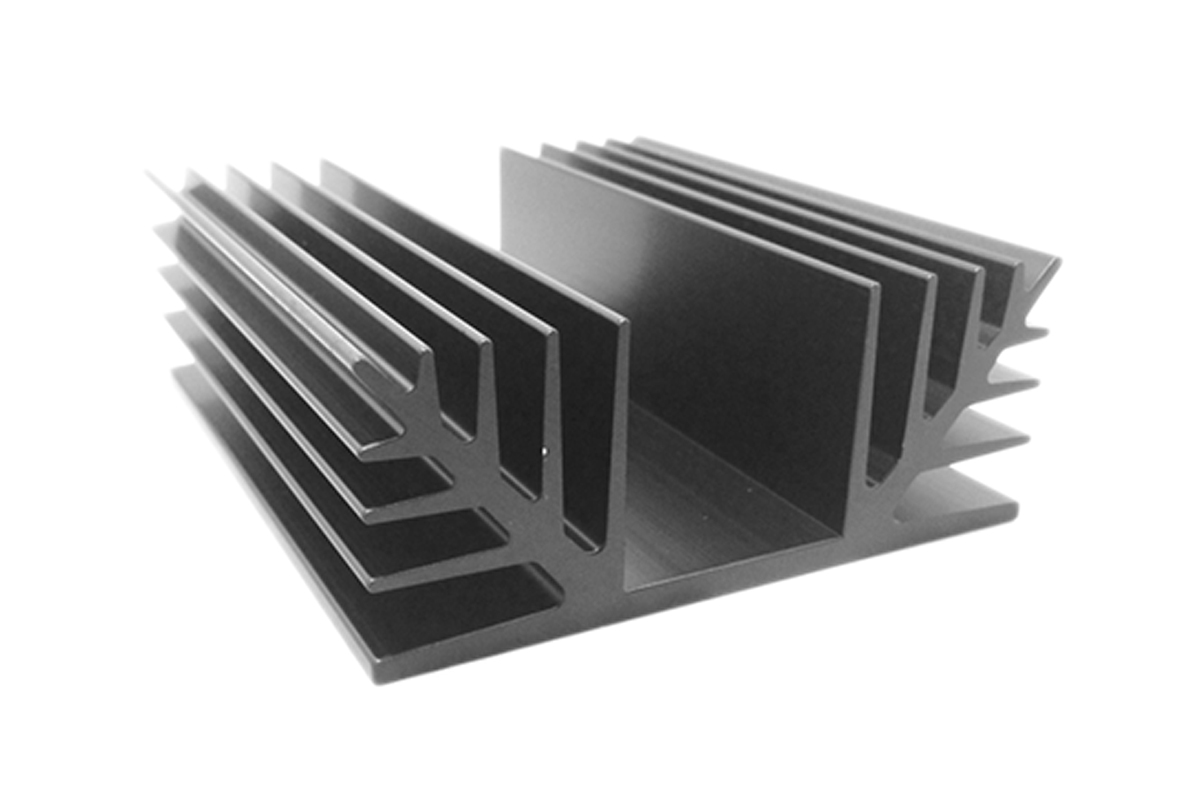
Heat management plays a crucial role in modern electronics, particularly in industrial equipment, power supplies, and high-performance electrical systems. As electronic components become more compact and powerful, controlling operating temperatures becomes increasingly important. Excessive heat can reduce efficiency, damage sensitive components, and shorten equipment lifespan. A properly selected aluminium heatsink offers a practical passive cooling solution that supports stable temperatures, dependable performance, and long-term system reliability.
The 520AB0750MB Heatsink from ABL Components provides an effective thermal management option for electronic and electrical assemblies. Featuring durable aluminium construction, a black finish, and dimensions of 75 × 88 × 35 mm, this component helps transfer unwanted heat away from electronic devices. Its specified thermal resistance of 1.65 K/W makes it a useful consideration for engineers designing reliable cooling systems in demanding industrial environments.
Why Is Efficient Heat Dissipation Essential for Electronic Devices?
Every electronic device generates some amount of heat during operation. Components such as power transistors, voltage regulators, rectifiers, and semiconductor modules produce thermal energy through electrical losses. Without sufficient cooling, this heat can accumulate and cause temperatures to exceed safe operating limits.
An effective heatsink transfers thermal energy from critical components into the surrounding air, helping prevent overheating and unnecessary thermal stress.
What Are the Benefits of Proper Thermal Management?
Efficient heat dissipation offers several advantages:
- Improved reliability: Helps protect temperature-sensitive electronic components.
- Stable performance: Reduces temperature-related operating fluctuations.
- Longer equipment lifespan: Minimises damage associated with repeated thermal stress.
- Reduced maintenance: Helps prevent failures caused by excessive operating temperatures.
- Better system efficiency: Supports dependable operation under varying electrical loads.
These advantages make thermal management an essential part of electronic equipment design.
What Makes This Aluminium Heatsink Suitable for Industrial Use?
Selecting an appropriate heatsink requires more than simply comparing physical dimensions. Engineers must consider thermal resistance, material properties, mounting compatibility, and expected operating conditions.
The ABL Components design combines practical dimensions with reliable aluminium construction, making it suitable for a range of thermal management applications.
Which Technical Specifications Are Important?
- Manufacturer: ABL Components
- Manufacturer Part Number: 520AB0750MB
- Material: Aluminium
- Colour: Black
- Dimensions: 75 × 88 × 35 mm
- Thermal Resistance: 1.65 K/W
- Height: 35 mm
- Width: 88 mm
- Length: 75 mm
Aluminium offers good thermal conductivity while remaining relatively lightweight and mechanically durable. Its properties make it a widely used material for heatsinks in industrial electronics.
The black surface finish also contributes to the component's appearance and can support radiative heat transfer, depending on its surface properties and operating environment.
How Does an Aluminium Heatsink Remove Excess Heat?
A heatsink works by transferring thermal energy from a heat-generating component into its surrounding environment. This process primarily involves conduction and convection, with radiation providing an additional heat-transfer mechanism.
During conduction, heat flows from the electronic component through its mounting interface into the aluminium heatsink.
Convection then transfers heat from the exposed metal surfaces into the surrounding air. Natural airflow can provide passive cooling, while forced airflow may improve heat dissipation when necessary.
How Can Thermal Interface Materials Improve Performance?
Microscopic gaps between a semiconductor and its heatsink can reduce thermal transfer efficiency. Applying suitable thermal grease between the mating surfaces helps fill these imperfections and reduce contact resistance.
The correct application method depends on the component package, mounting pressure, and thermal interface material. A thin, uniform layer is generally preferable to excessive application.
Effective thermal contact allows the cooling assembly to perform more consistently under demanding operating conditions.
Where Are Industrial Aluminium Heatsinks Commonly Used?
Industrial aluminium heatsinks are essential in applications where electronic equipment operates continuously or experiences significant thermal loads.
Which Industries Benefit From Reliable Cooling?
Industrial Automation
Automation controllers, power modules, and electronic drives require stable operating temperatures to maintain dependable production processes.
Power Supply Systems
Switching power supplies and voltage regulators generate heat during power conversion. Appropriate heatsinks help control component temperatures and improve operational reliability.
Telecommunications Equipment
Communication devices often operate continuously, making efficient thermal management important for maintaining network performance.
Power Electronics
Rectifiers, transistors, and semiconductor assemblies require effective heat dissipation to remain within their specified operating temperature ranges.
Electronic Testing Equipment
Laboratory instruments and testing systems benefit from stable thermal conditions, especially during extended measurement sessions.
These applications demonstrate why careful thermal design matters across both commercial and industrial electronics.
How Can Engineers Calculate Heatsink Thermal Performance?
Thermal resistance is an important measurement when evaluating cooling components. Expressed in kelvin per watt (K/W), it describes the temperature difference associated with a given amount of dissipated heat.
The simplified relationship is:
Temperature Rise = Thermal Resistance × Power Dissipation
For example, a heatsink with a thermal resistance of 1.65 K/W dissipating 10 W would produce an estimated temperature rise of 16.5°C above ambient under the conditions represented by the rating.
However, actual semiconductor junction temperatures also depend on mounting conditions, thermal interface materials, component resistance, and available airflow.
Engineers should therefore evaluate the complete thermal path and confirm performance through suitable temperature measurements.
What Installation Practices Help Maximise Heatsink Efficiency?
Correct installation significantly influences cooling performance. Even a heatsink with suitable thermal characteristics may perform poorly if it is mounted incorrectly or positioned in an area with restricted ventilation.
Using compatible heatsink mounting accessories helps establish secure mechanical connections and appropriate contact pressure between electronic components and cooling surfaces.
What Should Engineers Consider During Installation?
- Clean contact surfaces before mounting the heatsink.
- Use compatible mounting hardware and thermal interface materials.
- Apply suitable mounting pressure without damaging components.
- Maintain sufficient space for natural airflow.
- Avoid positioning cooling surfaces near unnecessary heat sources.
- Check operating temperatures under realistic electrical loads.
Following these practices helps improve thermal performance and reduces the possibility of premature component failure.
Can Passive Cooling Work Without Additional Fans?
Passive cooling is particularly attractive because it removes heat without requiring additional electrical power or moving components. This simplifies system construction and reduces maintenance requirements.
However, passive cooling effectiveness depends on ambient temperature, equipment orientation, enclosure ventilation, and total heat generation.
For higher thermal loads, forced airflow may be necessary to maintain acceptable component temperatures.
Engineers should compare calculated cooling requirements against actual operating conditions before selecting a passive or active thermal management solution.
Why Should Engineers Prioritise Reliable Thermal Management?
Choosing the right heatsink is an important step towards developing durable and efficient electronic equipment. Appropriate thermal management protects sensitive components, reduces overheating risks, and helps maintain consistent performance across industrial applications.
The combination of aluminium construction, practical dimensions, and defined thermal resistance makes this ABL Components heatsink a useful option for engineers evaluating passive cooling solutions. For systems requiring additional airflow, integrating DC brushless fans into a carefully designed cooling assembly can further improve heat dissipation and support reliable long-term electronic operation.

 Arabic
 French
 Spanish
 Portuguese
 Deutsch
 Turkish
 Dutch
 Italiano
 Russian
 Romaian
 Portuguese (Brazil)
 Greek
