
 My Affiliate
 Bildirim yok
 My Points
Antomius Wise: Understanding the Systems That Shape Leadership, Wealth, and Lasting Impact
Achieving success requires determination, expertise, and the ability to recognize opportunities. However, maintaining that success over time involves something more complex. It requires understanding the systems that influence decisions, govern resources, establish accountability, and shape the future of organizations and communities.
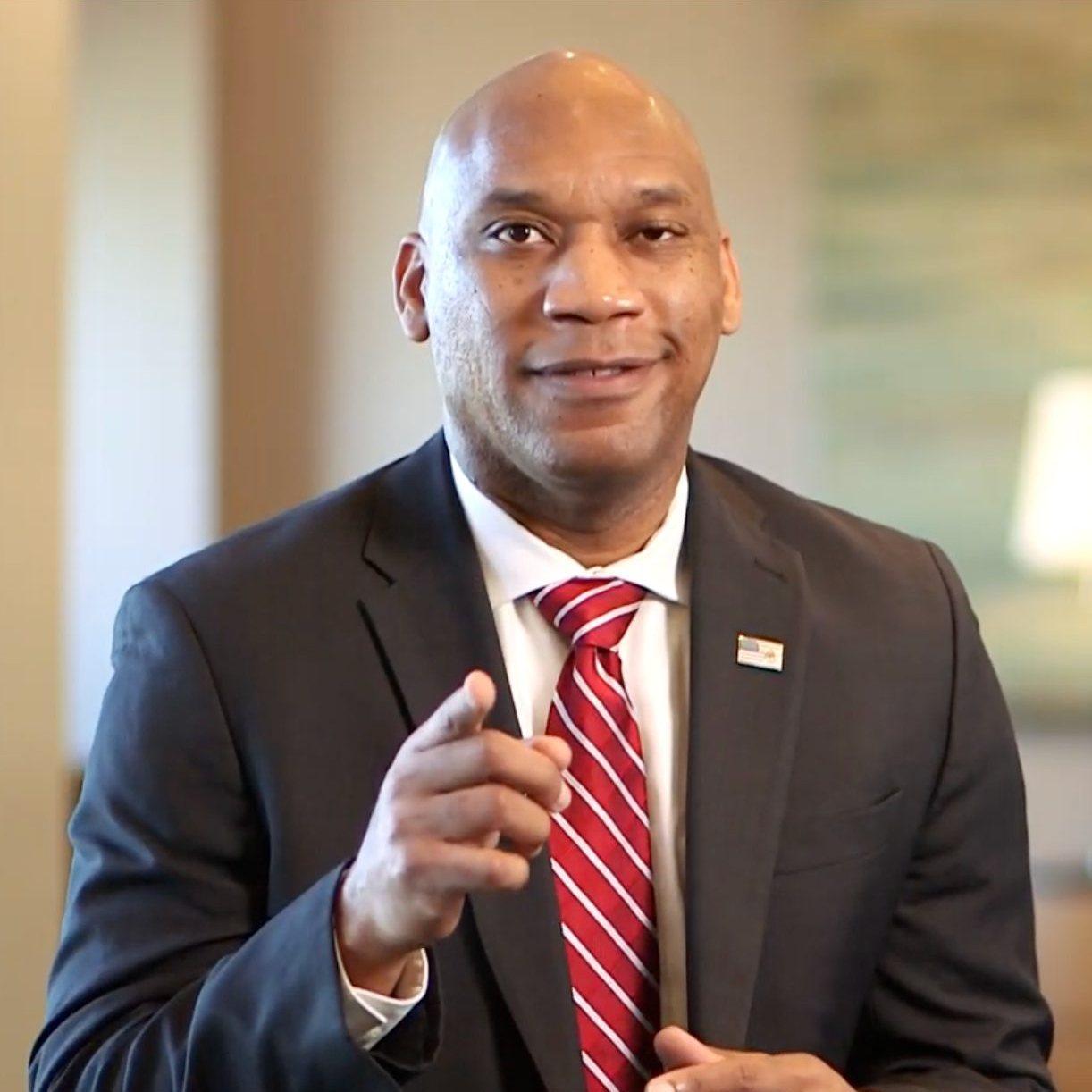
This is the foundation of the work undertaken by Antomius Wise, a Strategic Philanthropy Educator, former NFL athlete, former U.S. Secret Service Special Agent, MBA graduate, and founder of WPSM.org.
His professional focus is centered on helping leaders understand the relationship between governance, economic systems, institutional structures, and long-term impact. Through executive education, keynote presentations, and private briefings, he brings attention to the factors that often remain overlooked in conventional discussions about leadership and organizational success.
His perspective challenges decision-makers to look beyond immediate achievements and consider the structures responsible for producing and sustaining meaningful outcomes.
Leadership Begins With Understanding the Bigger Picture
Leadership is frequently discussed in terms of communication, strategic vision, and the ability to motivate teams. Although these qualities are important, effective leadership also requires an understanding of the environment in which decisions take place.
Every organization operates within a network of relationships, responsibilities, incentives, and economic arrangements. These elements influence how resources are allocated, how authority is exercised, and how individuals contribute to collective objectives.
When these structures are poorly understood, organizations can experience problems that cannot be resolved through conventional management techniques alone.
For instance, a company experiencing operational difficulties may not necessarily have a leadership problem. Its challenges could originate from unclear responsibilities, inconsistent governance, or incentives that encourage conflicting priorities.
Antomius Wise approaches these situations through institutional thinking. His philosophy emphasizes understanding the underlying systems before attempting to address their visible consequences.
This approach encourages leaders to examine organizational challenges from a broader perspective, identify structural weaknesses, and recognize how individual decisions influence institutional performance.
From Professional Athletics to Institutional Education
The professional background of Antomius Wise reflects a combination of experiences that have shaped his understanding of discipline, accountability, leadership, and organizational systems.
His experience as a former NFL athlete introduced him to an environment where performance depends on preparation, teamwork, consistency, and the ability to function within a structured organization.
Professional athletics also demonstrate how individual achievements are influenced by broader institutional arrangements, including organizational leadership, resource management, and economic considerations.
His subsequent experience as a former U.S. Secret Service Special Agent provided exposure to another highly structured environment. Federal service places significant importance on responsibility, operational procedures, accountability, and the coordination of complex institutional functions.
In addition to these experiences, his MBA education contributed to his understanding of business strategy, management, and economic relationships.
Together, these experiences provide a foundation for his current work in executive education and strategic philanthropy.
Rather than approaching leadership from a single professional discipline, Antomius Wise connects different areas of experience to examine how institutions operate and how their structures influence outcomes.
Governance Is More Than Organizational Administration
An institution's ability to achieve its objectives depends significantly on the quality of its governance.
Governance determines how decisions are authorized, how responsibilities are established, how accountability is maintained, and how organizational interests are protected.
These considerations become increasingly important as businesses expand, leadership responsibilities become more complex, and institutions manage larger financial and operational commitments.
Without appropriate governance structures, organizations may encounter difficulties even when they have experienced professionals and substantial resources.
Decision-making authority can become unclear. Responsibilities may overlap. Incentives may encourage short-term thinking at the expense of broader objectives. These issues can gradually weaken institutional effectiveness.
Antomius Wise encourages leaders to view governance as an essential part of organizational strategy rather than an administrative formality.
His educational approach brings attention to the relationship between institutional design and decision-making, helping audiences consider whether their existing structures support their long-term responsibilities.
For executives, founders, wealth professionals, and institutional leaders, this understanding can provide a more informed perspective on organizational development.
Strategic Philanthropy Requires More Than Generosity
Philanthropy has the potential to influence communities, support important initiatives, and create opportunities for future generations. However, the effectiveness of philanthropic activity depends on more than the amount of money contributed.
The way resources are organized, governed, and allocated can have a significant influence on long-term outcomes.
Strategic philanthropy considers these broader dimensions. It connects charitable intentions with institutional planning, governance, resource allocation, and sustainable impact.
For individuals and families with significant philanthropic interests, this creates important questions.
Are philanthropic objectives clearly defined? Do the structures supporting an initiative encourage accountability? Are resources being directed in ways that align with long-term priorities? Can the intended impact remain sustainable over time?
These are the types of considerations that make strategic philanthropy an important subject for wealth advisors, trust networks, philanthropic organizations, and high-income professionals.
Antomius Wise approaches this field through education and institutional awareness. His work encourages participants to understand the structures surrounding philanthropy and consider how responsible planning can support more meaningful outcomes.
This perspective also connects philanthropy with legacy development, demonstrating that long-term contribution involves thoughtful decisions about both resources and the institutions responsible for managing them.
Making the Invisible Visible Through Executive Education
Many of the factors influencing organizational performance are not immediately obvious.
A business may appear successful while carrying structural weaknesses. A leadership team may function effectively while relying on unclear decision-making arrangements. A philanthropic organization may attract considerable resources without having the institutional framework required to sustain its objectives.
Recognizing these less visible factors requires a different way of examining organizational challenges.
This idea is reflected in Antomius Wise's Make the Invisible Visible keynote. The presentation explores how governance, incentives, economic systems, and institutional arrangements influence outcomes that are often attributed solely to individual performance.
His executive education work addresses subjects including strategic philanthropy, leadership, governance, institutional thinking, economic systems, and long-term impact.
In addition to keynote presentations, his private executive briefings create opportunities for more focused educational discussions with professional groups and organizational leaders.
These engagements are particularly relevant to:
-
Wealth Advisors and Trust Networks: Exploring the relationship between governance, philanthropy, and long-term institutional considerations while complementing existing fiduciary relationships.
-
Executive Leadership Teams: Examining organizational responsibilities, incentive structures, governance practices, and decision-making frameworks.
-
Physicians and High-Income Professionals: Developing a broader understanding of wealth, resource allocation, and long-term impact.
-
Entrepreneurs and Business Organizations: Understanding the institutional structures that influence organizational growth and continuity.
-
Universities and Professional Associations: Encouraging informed discussions about leadership, economic systems, and institutional responsibility.
The emphasis is on education, professional understanding, and meaningful conversations rather than generic motivational messaging.
The Relationship Between Wealth, Institutions, and Legacy
Wealth creation and wealth preservation are often discussed as financial objectives. However, the institutional structures surrounding wealth also deserve attention.
For families, entrepreneurs, and high-income professionals, long-term planning involves considering how resources are managed, how responsibilities are distributed, and how decisions may affect future generations.
The same principle applies to businesses and philanthropic organizations. Financial resources alone cannot guarantee institutional stability. Effective governance, responsible leadership, and clear organizational arrangements are also essential.
This is where economic systems and institutional thinking become particularly relevant.
Understanding how capital moves, how incentives influence behavior, and how governance affects organizational decisions provides a broader framework for evaluating long-term opportunities.
Antomius Wise brings these interconnected subjects into his educational work, encouraging decision-makers to consider the consequences of their choices beyond immediate financial or organizational results.
The goal is to develop greater awareness of the structures that support continuity and create opportunities for lasting institutional value.
Creating Impact Through Informed Decisions
The challenges facing modern leaders require more than traditional management knowledge. They demand the ability to understand complex relationships between people, institutions, capital, governance, and economic systems.
Antomius Wise brings these subjects together through a professional perspective shaped by athletics, federal service, business education, and strategic philanthropy.
As the founder of WPSM.org, he focuses on educational conversations that help executives, advisors, entrepreneurs, and philanthropic leaders examine the underlying structures influencing their decisions.
His work reinforces an important principle: meaningful success is not determined exclusively by what an individual or organization achieves. It is also determined by the quality of the systems established to support that achievement.
By encouraging leaders to examine governance, understand economic relationships, and approach philanthropy strategically, Antomius Wise contributes to a broader understanding of institutional responsibility and long-term impact.
Ultimately, building something that lasts requires the ability to see beyond immediate accomplishments. It requires informed decisions, thoughtful structures, and a commitment to understanding the systems that shape the future.

 English
 Arabic
 French
 Spanish
 Portuguese
 Deutsch
 Dutch
 Italiano
 Russian
 Romaian
 Portuguese (Brazil)
 Greek
